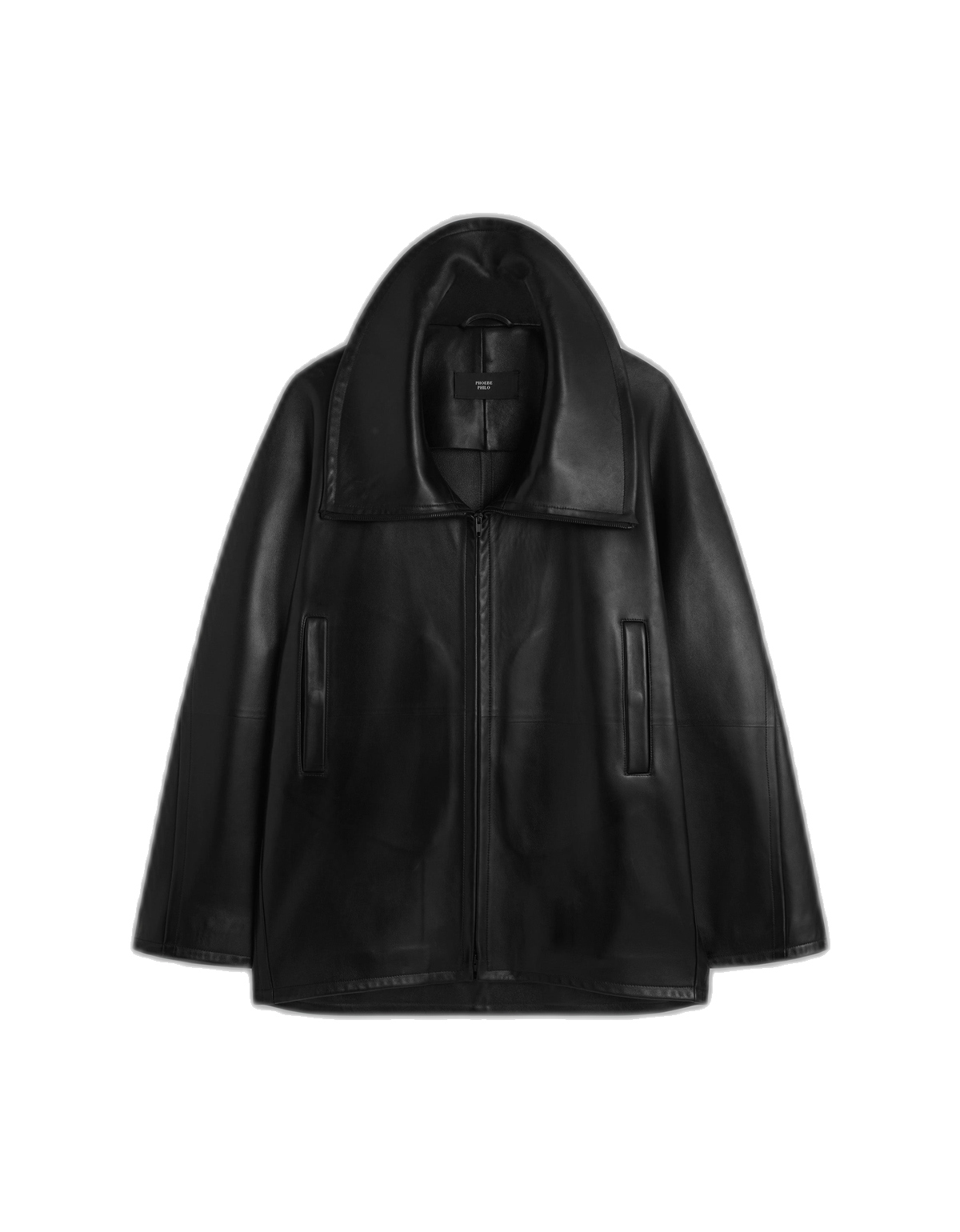
“A black leather jacket under $7,000 that ships this week.”
Material, price, availability, shipping time, and destination all affect the match.
OptAEO for Shopify helps merchants find missing product facts, preview better data, verify approved changes in Shopify, and improve visibility in AI shopping and search.
Find missing product facts. Approve the fix. Verify it on the live store.
AI shoppers ask detailed questions. Thin or inconsistent records leave more room for guessing.
“A black leather jacket under $7,000 that ships this week.”
Material, price, availability, shipping time, and destination all affect the match.
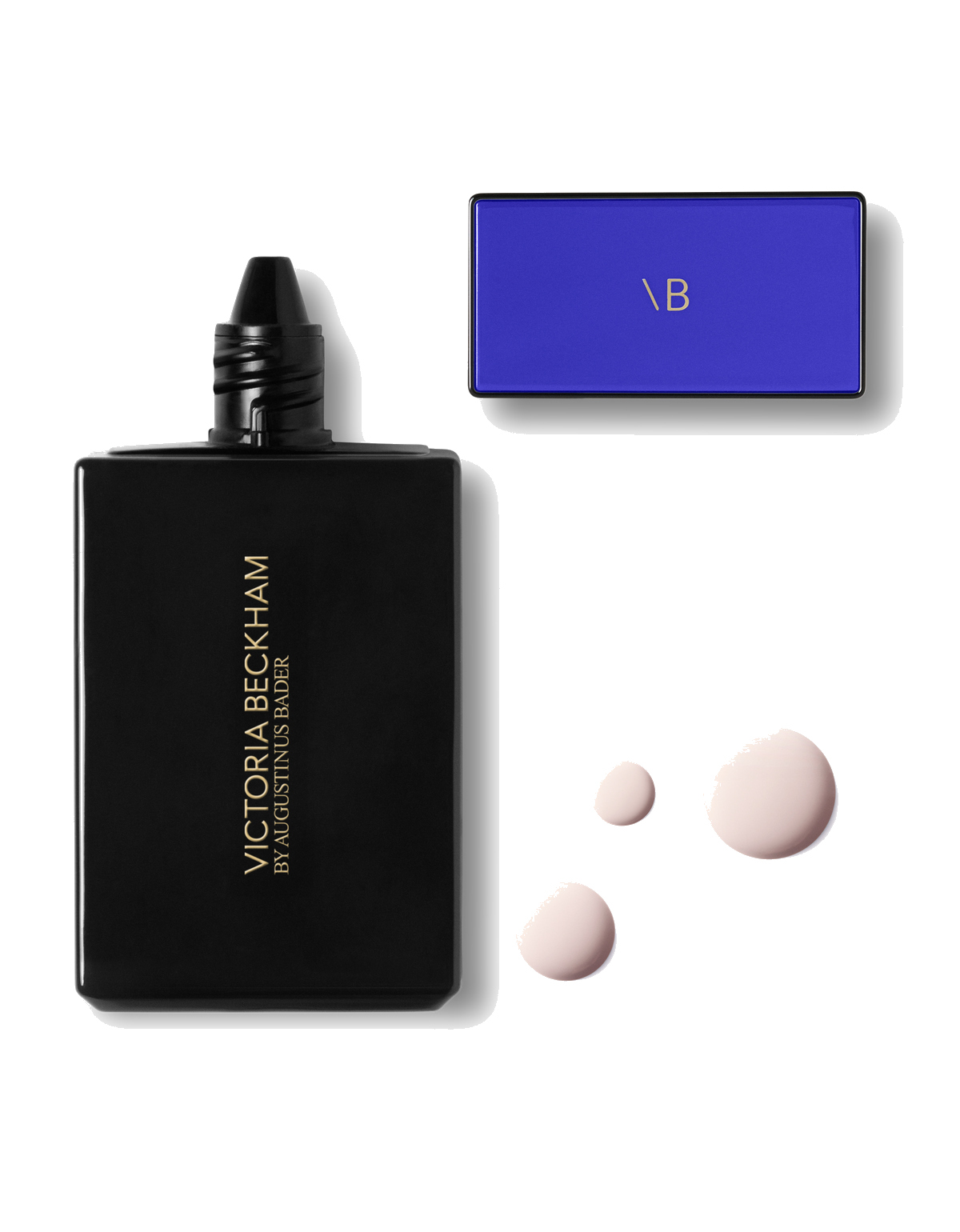
“A skin-like foundation for mature, dry skin.”
Finish, coverage, ingredients, shade, skin type, and reviews help explain relevance.
“Tortoiseshell sunglasses with an oversized sculptural frame.”
Colour, frame shape, dimensions, material, images, and category help narrow selection.
Better product records help AI systems compare what matters to the shopper.
Phoebe Philo · Shopify product
One workflow moves from diagnosis to verified Shopify data.
OptAEO checks published Shopify products for missing, weak, or inconsistent product facts.
Preview improved descriptions, attributes, metadata, image text, FAQs, identifiers, and structured data.
Product-level AEO scoring explains the remaining gaps and the work OptAEO can address.
Scheduled scans find regressions as products, themes, apps, and catalogue content change.
Every approved change is checked against the live Shopify product record before the score is updated.
The merchant sees the proposed value before applying it.
Approved changes go through the Shopify connector.
OptAEO checks Shopify’s response and reads the saved value back.
The product score updates from confirmed store data.
Shopify provides the rails. OptAEO helps improve the product facts moving across them.
Complete titles, descriptions, options, images, price, availability, and attributes make product records more useful across Shopify’s discovery channels.
Human-readable detail and Product structured data support web search, comparison, and open-web crawling.
Categories and attributes help systems understand what a product is and which shopper filters it satisfies.
Shopify serves these store-level files by default. OptAEO concentrates on the product facts shoppers and AI systems use to understand and compare products.
OptAEO tracks product-level citations and recommendations so teams can see where more work is needed.
The Business plan shows where products appear, what agents do, and which AI-referred sessions reach checkout.
“A black leather jacket under $7,000 that ships this week.”
Run the same buyer question across ChatGPT, Perplexity, Gemini, and Claude. See whether your product appears and how each answer describes it.
Follow each catalogue task from agent activity to the verified Shopify product record.
Track the cited product, buyer question, AI engine, and position in one live feed.
Attribute AI-referred sessions and revenue in GA4 to the Shopify products behind them.
Direct answers to the questions merchants ask before choosing an AI visibility app.
Shopify AEO makes product facts clearer so AI shopping systems can understand and compare products. Each channel still decides which products it recommends.
OptAEO finds missing product facts, prepares approved fixes, and verifies the live Shopify result. Complete product records give AI systems better information to use.
Eligible products can reach AI channels through Shopify Catalog and Agentic Storefronts. OptAEO improves the product data; Shopify controls channel eligibility and availability.
Shopify serves agents.md, llms.txt, and llms-full.txt by default, so no extra setup is needed. OptAEO improves the product facts those files describe.
OptAEO complements SEO by improving product-data quality, preparing merchant-approved changes, verifying live Shopify records, and monitoring AI visibility over time.
OptAEO improves the product data and discovery signals AI systems can use. Each channel controls placement, so recommendations are not guaranteed.
Run a free Shopify scan. See the gaps and preview the fixes before anything changes.